The first regular Bangsamoro Parliamentary Elections answered one question: who will represent the people in Parliament. The next question is what those elected members will do once they take office.
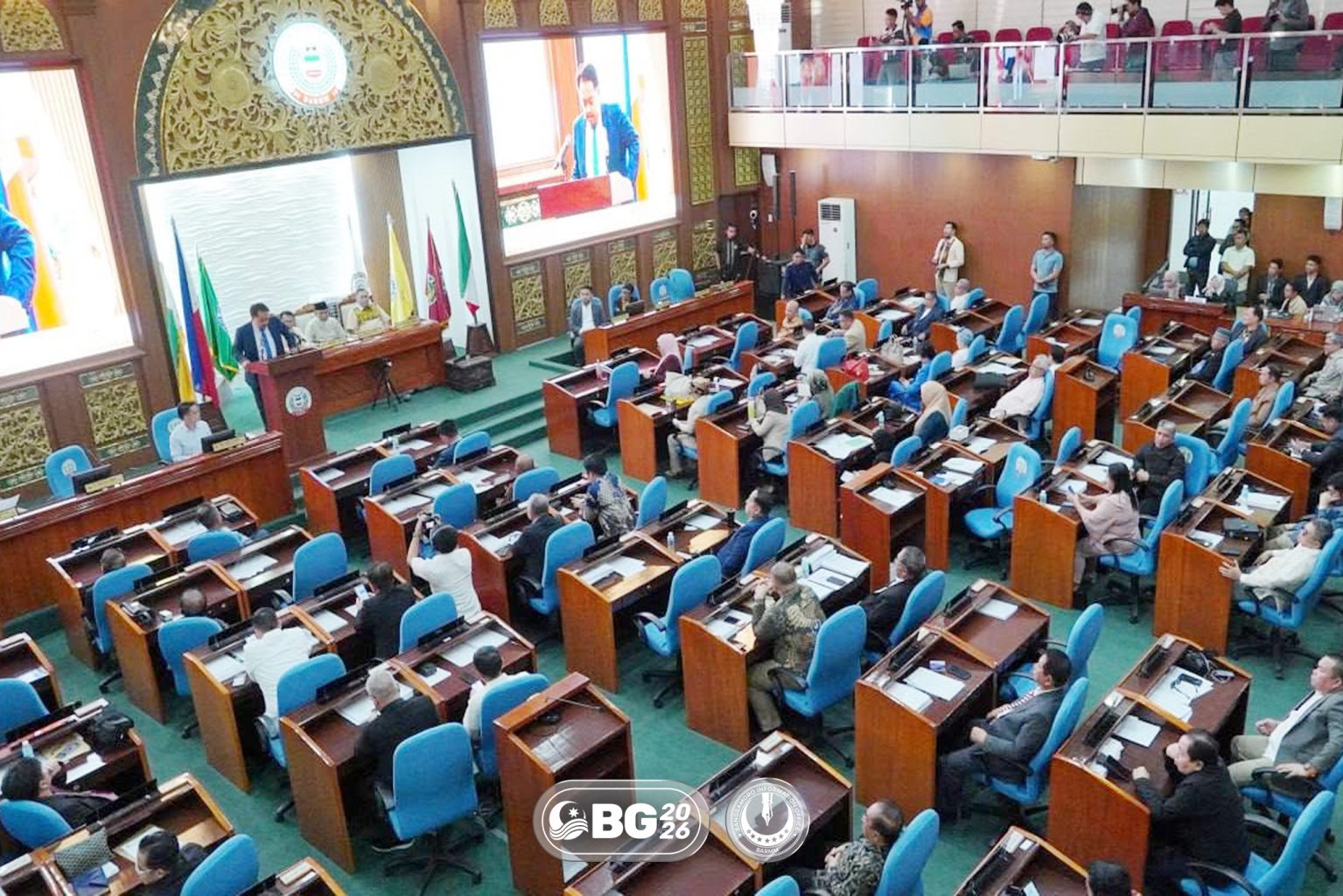
Beginning Oct. 30, the 80 members of the first regular Bangsamoro Parliament will organize the region’s parliamentary government, elect a Chief Minister, pass laws, approve budgets and oversee government programs as the Bangsamoro Autonomous Region in Muslim Mindanao (BARMM) transitions from an interim government to a fully elected parliamentary system.
More than 2 million registered voters took part in the first Bangsamoro Parliamentary Elections on Sept. 14, with voter turnout reaching 84 percent.
The election marked a major step in the region’s transition from an interim government to a regular parliamentary system, 12 years after the signing of the Comprehensive Agreement on the Bangsamoro (CAB) in 2014.
The Regional Board of Canvassers proclaimed the official results shortly after midnight on Sept. 16, confirming the 80 members who will make up the first elected Bangsamoro Parliament. They are set to assume office at noon on Oct. 30, 2026.
The first regular Parliament marks a milestone in the Bangsamoro peace process, transforming a government that has been led by appointed transition authorities since 2019 into one chosen through elections.
Under the Bangsamoro Organic Law (BOL), or Republic Act No. 11054, Parliament will make regional laws, authorize public spending, oversee government operations and elect the Chief Minister, who will head the executive branch.
So, after the first parliamentary election, what exactly will the first regular Parliament do?
First day of the new parliament
Among the first major tasks of the 80 elected members will be organizing Parliament and choosing the region’s first regular Chief Minister.
Under the BOL, the Chief Minister is elected by Parliament, not directly by voters.
The election takes place on the first day of session. A candidate needs the support of a majority of all 80 members, or at least 41 votes. If no candidate obtains the required majority in the first round, the top two candidates proceed to a runoff.
The law does not require the Chief Minister to come from the largest party; what it requires is a majority vote of all members.
The same first day will also involve the election of the Speaker, Deputy Speaker and other parliamentary officers.
The BOL requires these officers to be elected by majority vote of all members, as provided by Parliament’s rules. It does not expressly state which election—officers or Chief Minister—must come first.
The Wali, meanwhile, serves as the ceremonial head of the Bangsamoro Government.
Among the Wali’s constitutional duties are opening the session of Parliament and administering the oath of office of the Chief Minister and members of Parliament.
This distinction matters because the existing rules of the Bangsamoro Transition Authority (BTA) were written for the interim Parliament.
Those rules provide procedures for organizing the BTA Parliament, including the election of its officers, but the interim Chief Minister was appointed by the President rather than elected by Parliament.
The procedures for the first regular Parliament will therefore be governed by the rules applicable to the new Parliament.
Once elected, the Chief Minister will head the executive branch and lead the Cabinet, while Parliament continues to exercise its legislative and oversight functions.
The Chief Minister will also nominate two Deputy Chief Ministers, who must be elected by Parliament.
Responsibilities of the Bangsamoro Parliament
One of Parliament’s main responsibilities will be to pass laws on matters within the powers of the Bangsamoro Government.
These regional laws are known as Bangsamoro Autonomy Acts, or BAAs.
The Bangsamoro Government has authority over areas including education, health, agriculture, social services, local government, culture, tourism, public works and natural resources, subject to the Constitution and the BOL.
Unlike Congress, which legislates on national matters, the Bangsamoro Parliament legislates on matters within the powers granted to the regional government.
Parliament will also determine how public funds are authorized through the annual appropriations law.
The executive branch proposes its spending requirements, while Parliament examines and approves the budget for government programs and services.
Its role does not end with passing laws and approving funds. Parliament also serves an oversight function by conducting inquiries in aid of legislation, allowing lawmakers to examine government programs and operations and use the information gathered in making or reviewing laws.
Together, these powers place Parliament at the center of how the regional government makes policies, allocates public resources and scrutinizes the work of the executive branch.
Why it matters
Decisions made by the first regular Parliament will directly affect education, health care, agriculture, social services, infrastructure and other areas under Bangsamoro autonomy.
The laws and budgets approved by Parliament will shape how services are delivered across the region’s provinces, cities and communities.
The parliamentary system also provides a mechanism for holding the government accountable.
Under the BOL, Parliament may vote no confidence in the Government of the Day. If at least two-thirds of all members support the motion, the Chief Minister must advise the Wali to dissolve Parliament and call a new parliamentary election.
A parliament built to represent the Bangsamoro
The first regular Bangsamoro Parliament will consist of 80 seats: 40 party seats, 32 district seats and eight sectoral seats.
The different categories are intended to provide representation through political parties, geographic constituencies, and specific sectors.
The BOL provides for representation of sectors including women, youth, traditional leaders, the Ulama, non-Moro Indigenous Peoples, and settler communities.
For the Bangsamoro, the significance of the first regular Parliament goes beyond the election of 80 lawmakers.
Beginning Oct. 30, the responsibility of governing under the region’s parliamentary system will rest with leaders chosen by the people themselves.
The next chapter of Bangsamoro self-governance will be defined by how Parliament exercises its powers—through the laws it passes, the funds it authorizes, the government it oversees and the leadership it chooses. (Settie Jehana Baunto/Norhaifa Dipatuan/BIO)